
This column will be an artifact of a quest.
DJ Dr. Jolly West M.D.’s Ontology of Questing:
- A quest is excessively quixotic.
- The likelihood of success is vague at best.
- The quest is shaped by a set of arbitrary rules
The Quest: Visit every record store in the 5 boroughs of New York City
The Rules:
- I will walk to every store.
- The next store I visit will be dictated by a recommendation of the clerk at the last store I visited.
- I will pull 3 pieces of black gold out of every store for no more than $50 (tax not included).
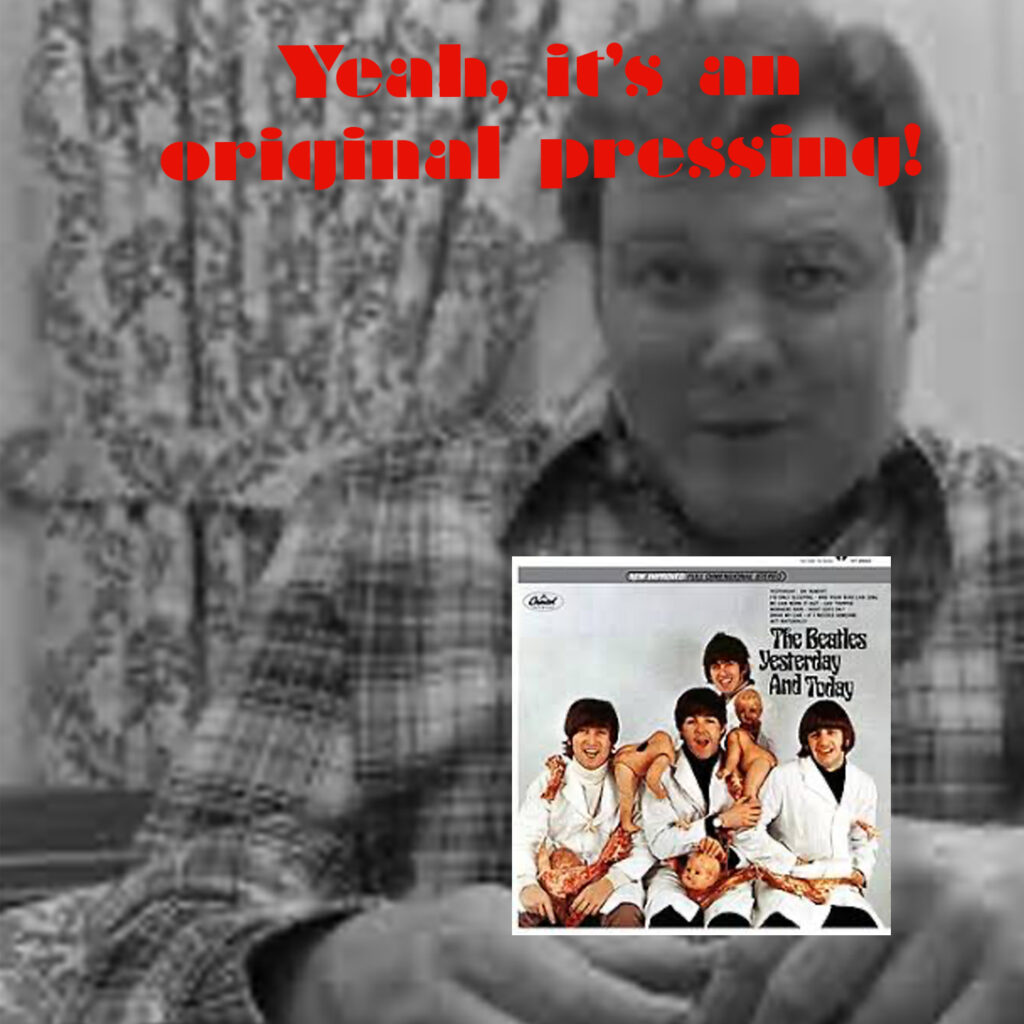
I despise collector scum. Last fall at a Long Island record fair, a grey hair handed a mouth breathing dealer with a greasy ponytail $700 cash for an original S.O.A. Discord single. The obscenity of the moment inspired such a wild feeling of violence that I had to walk away. I would like to begin the next sentence with the word “ironically,” but that would be disingenuous. I often find myself sharing spaces with collector scum: record stores, flea markets, record fairs, thrift stores, etc. My disgust likely speaks to a Jungian shadow self that shares many traits of collector scum. I, too, am driven by a desire to acquire. I, too, find the discovery of the unknown and the obscure to be extremely exciting. I, too, am interested in the economics of collecting.
This confession seems to paint me into a corner. The very thing I despise lives in me. My saving grace is an aversion to hoarding. Once a piece of art has been released into the world, it becomes the property of the world. Collector scum are ultimately driven by a desire to hoard, to keep their treasures hidden in order to become, in their minds, superior. I share music not available online through the show and a YouTube page.
Ultimately, I aspire to a higher level of collecting, the level of alchemy. In this pursuit, I am guided by the spirit of polymath (avant-garde filmmaker, teacher, occult adept, and collector extraordinaire) Harry Smith. Smith is best known for his 1952 Folkways compilation The Anthology of American Folk Music. The background to the release is pedestrian. Smith was broke and tried to sell his collection of pre-war 78’s to Folkways head Moe Asch. Asch suggested instead that Smith put together a compilation of his records, with complete autonomy. It was at this moment that the alchemy began.
Smith created an alternate history of America, one that may not be factually accurate but is spiritually true. He grouped songs into categories that existed in his own mind. He wrote liner notes based on his memory of often-incorrect facts. He linked the music to an older mystical tradition by placing an image of the Celestial Monochord on the front cover, and the sleeve colors (red, green, blue) correspond to the elements of occult rites: fire, earth, water. In this work, Smith transmuted the sounds contained on shellac into something otherworldly, an alchemic work. This alchemy went on to influence the 1960s folk boom and has been name-checked by artists like Bob Dylan and Jerry Garcia.
This column is unlikely to reach the Anthology’s mystical heights, but in addition to being an artifact of a quest, it is an attempt to wrestle with, and maybe transcend, my shadow self. To transmute my own being from the acquisitive to the universal, and thus the communal.
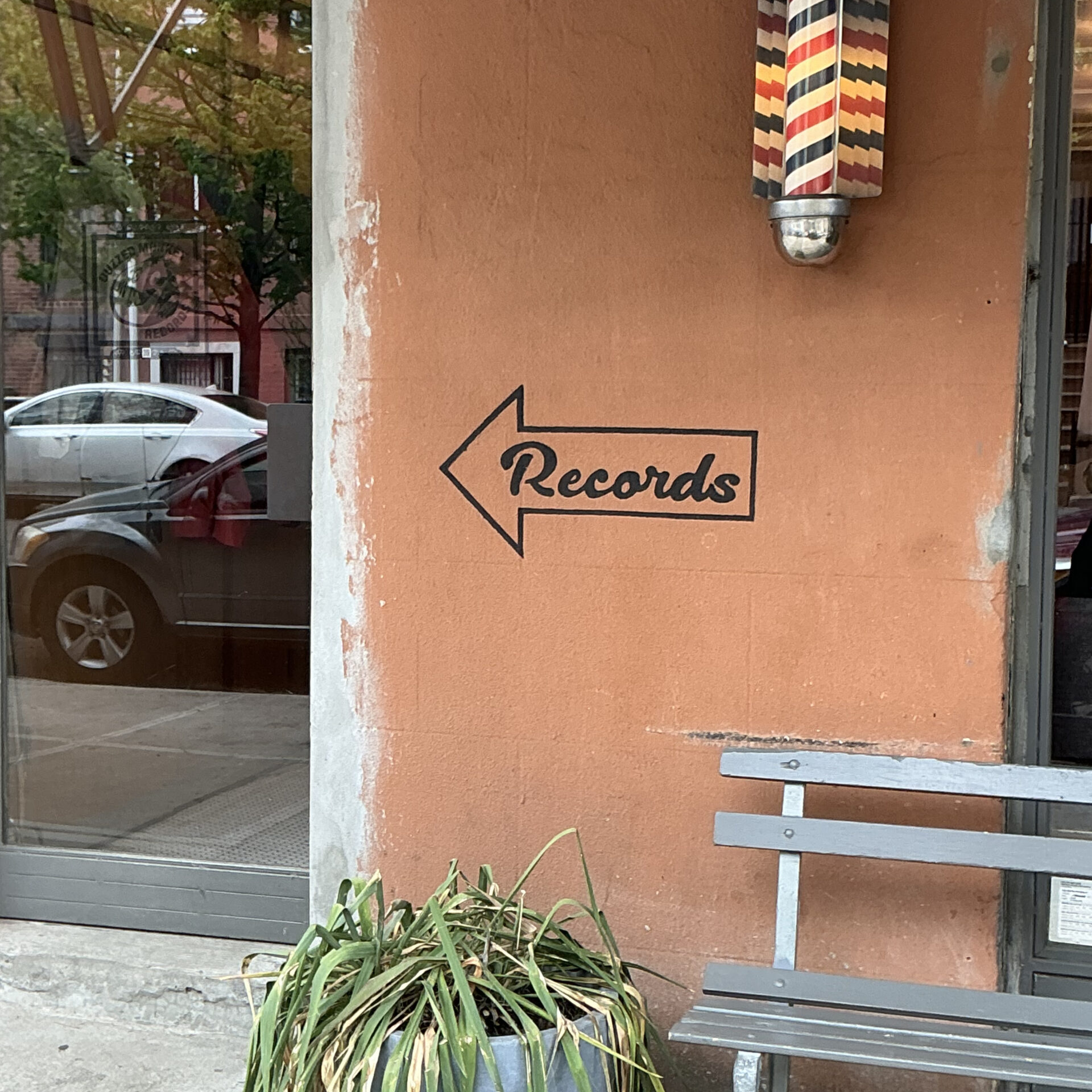
Buzzed Monkey is a small, but well-stocked shop, with a godawful name. They carry many of the staples of 60s rock and 70s soul/R&B, as well as an impressive collection of rarities for big bucks. I was not expecting to see an original pressing of the Circuit Rider record. If you’ve got a spare $650, it can be yours! My one complaint is that everything is a little overpriced ($20 for a Robin Williams album or the disco Micky Mouse record!) The clerk was super friendly and very into talking about records. She recommended A1, so I’m walking to Manhattan for my next stop.